 Bordeaux, France


Holidays in the Dordogne: villages, châteaux and food to try
Holidays in Dordogne mean rivers, forests, meadows and hills, and some of the most beautiful villages in France. French visitors and travellers from all over the world come here, and it can be hard to decide where to go.
This is my short guide to what is worth seeing, visiting and eating in the area.
About the Dordogne
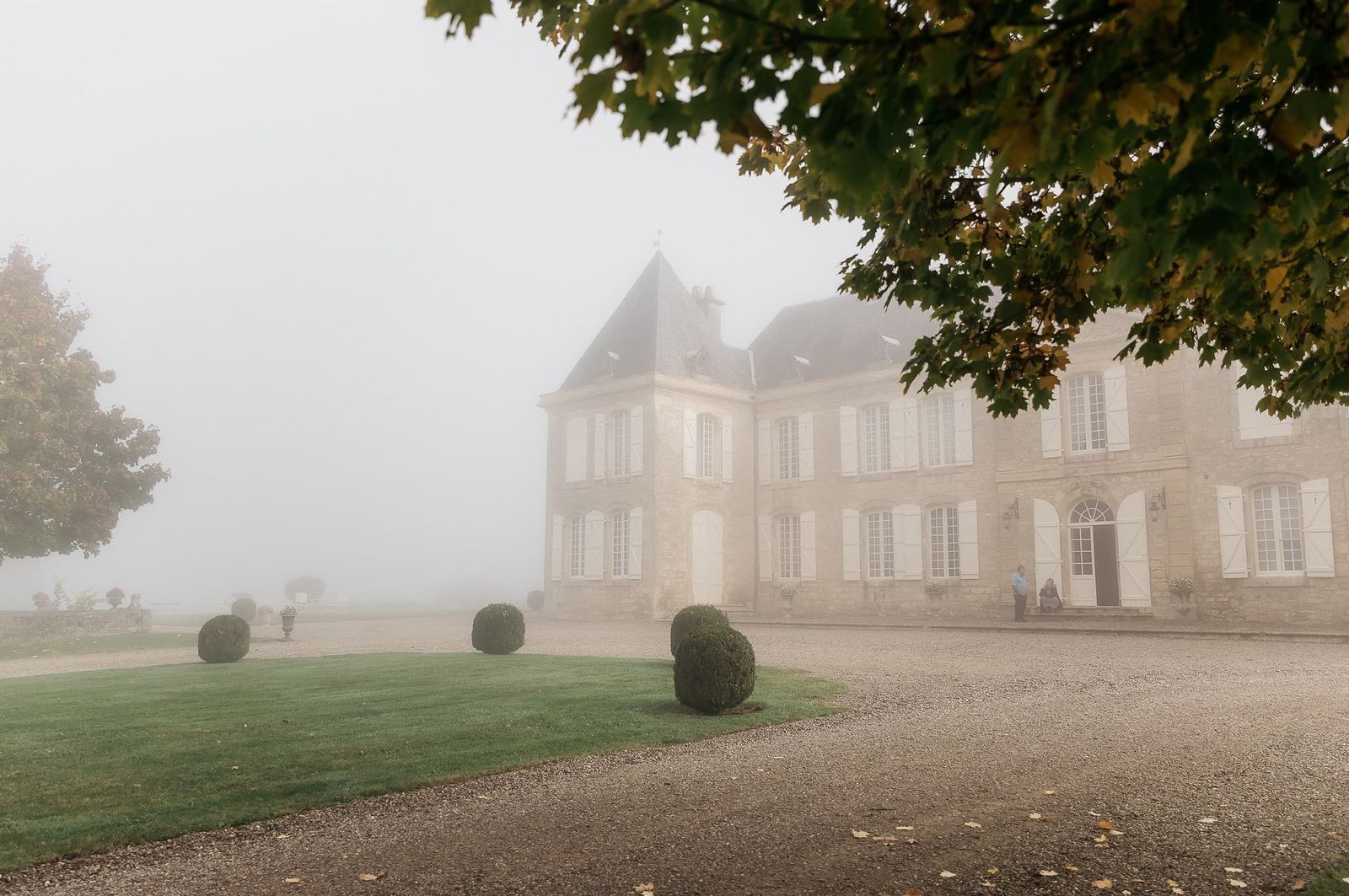
The Dordogne, in south-west France, was once thought of as both the poorest and one of the most beautiful parts of the country. In recent years it has also become a centre of French food and wine.
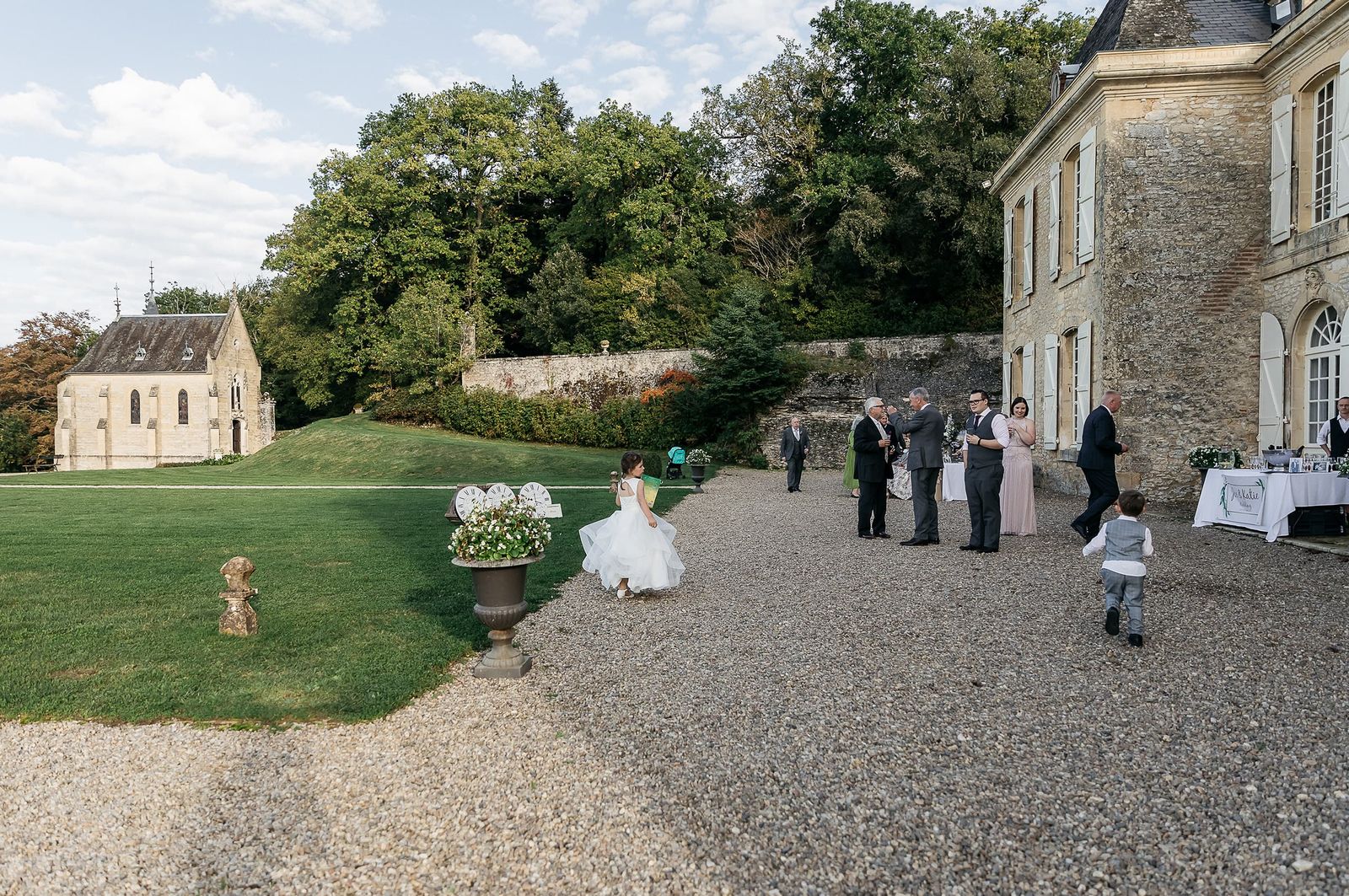
Many visitors come for the food: walks through the forests to find mushrooms, quiet riverside paths with lunch at local producers, and tastings of the local wine and cheese.
Many people here farm or work in local trades such as foie gras and truffles. Tourism matters too: people come to see the castles and to canoe on the rivers.
What to see
The Dordogne valley is quiet, and many people still live a rural life here. Expect rolling hills, cliffs, castles and old churches.
Vineyards
Wine has been made here since the Romans, who brought vines and winemaking to the area. Today the Dordogne has over 1,000 vineyards and more than 100 châteaux that make wine from their own grapes or from other estates nearby. You can read more in my guide to Dordogne vineyards.
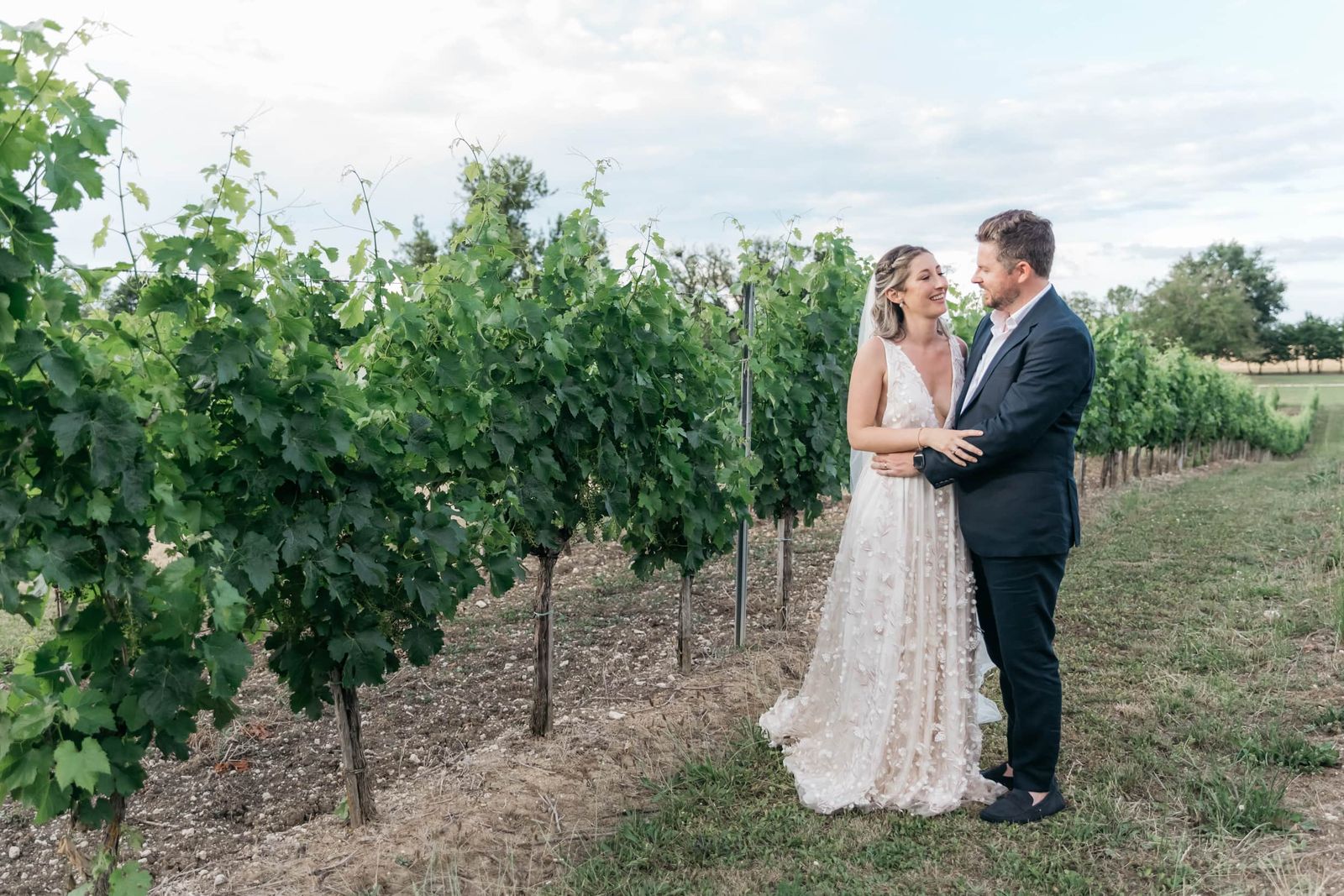
Some châteaux have their own vines: at Fran and Guy's wedding at Château Lacanaud, near Eymet, we went into the vineyard for portraits at golden hour.
Rocamadour
Rocamadour is a small town perched on a cliff in the Lot department, not far from the Périgord Noir, and a UNESCO World Heritage Site. Its sanctuary has been damaged and rebuilt many times over the centuries, but it still stands on the rock, with a long staircase climbing up to it.
Old Sarlat
Sarlat's old town is a medieval town of restored stone buildings, many with carved ledges and wooden details. Most people walk around it, then stay for lunch or dinner after a day of sightseeing nearby.
Two of the châteaux where I have photographed weddings are near Sarlat: Château de Lacoste and Château d'Oche.
Aquarium du Périgord Noir
A popular aquarium in the Périgord Noir, with exhibits, educational shows and activities for visitors.
Gardens of Eyrignac
Ten hectares of sculpted plants and flowers in the heart of the Périgord Noir, near Sarlat. There are seven gardens, and the estate keeps adding new ones. It is an easy, slow walk, with or without children.
Kayaking in Dordogne
The Dordogne river suits every level. Start in Argentat if you want a faster current and some rapids. Past Beaulieu-sur-Dordogne the river widens and slows down, and it winds past villages such as Carennac and Gluges, pebble beaches and castles such as Belcastel.
Forêt des Singes in Rocamadour
A large park where macaques live freely in a forest, with a monkey rock and a waterfall. It makes an easy day trip with children.
Old châteaux of the Dordogne to visit
Château de Castelnaud
Castelnaud stands in the heart of the Périgord Noir, with a wide view over the Dordogne valley. It was founded in the 12th century and is a textbook example of medieval fortification. It is now a museum with a large collection of armour and weapons, and reconstructed siege engines stand along the ramparts.
Château de Beynac
One of the best preserved castles in the Périgord. The barons of Beynac built it in the 12th century and controlled the main roads and the river from there.
Le Fort de La Roque-Gageac
A 12th-century fort built into the cliff above the Dordogne valley. You climb to it by a staircase on the cliff face, past walkways and archways, to a 180° view over the valley.
Château des Milandes
Built in 1489, Les Milandes mixes Gothic and Renaissance architecture. The garden was designed by Jules Vacherot, and the park is full of old trees: Atlas cedars, beeches, cork oaks, hackberries, tulip trees and umbrella pines.
Château de Montréal
Seven kilometres from Mussidan, the castle of Montréal overlooks the Crempse valley. Inside there are three salons, a round library and a 12th-century staircase; outside, a cave, a chapel and an outstanding garden.
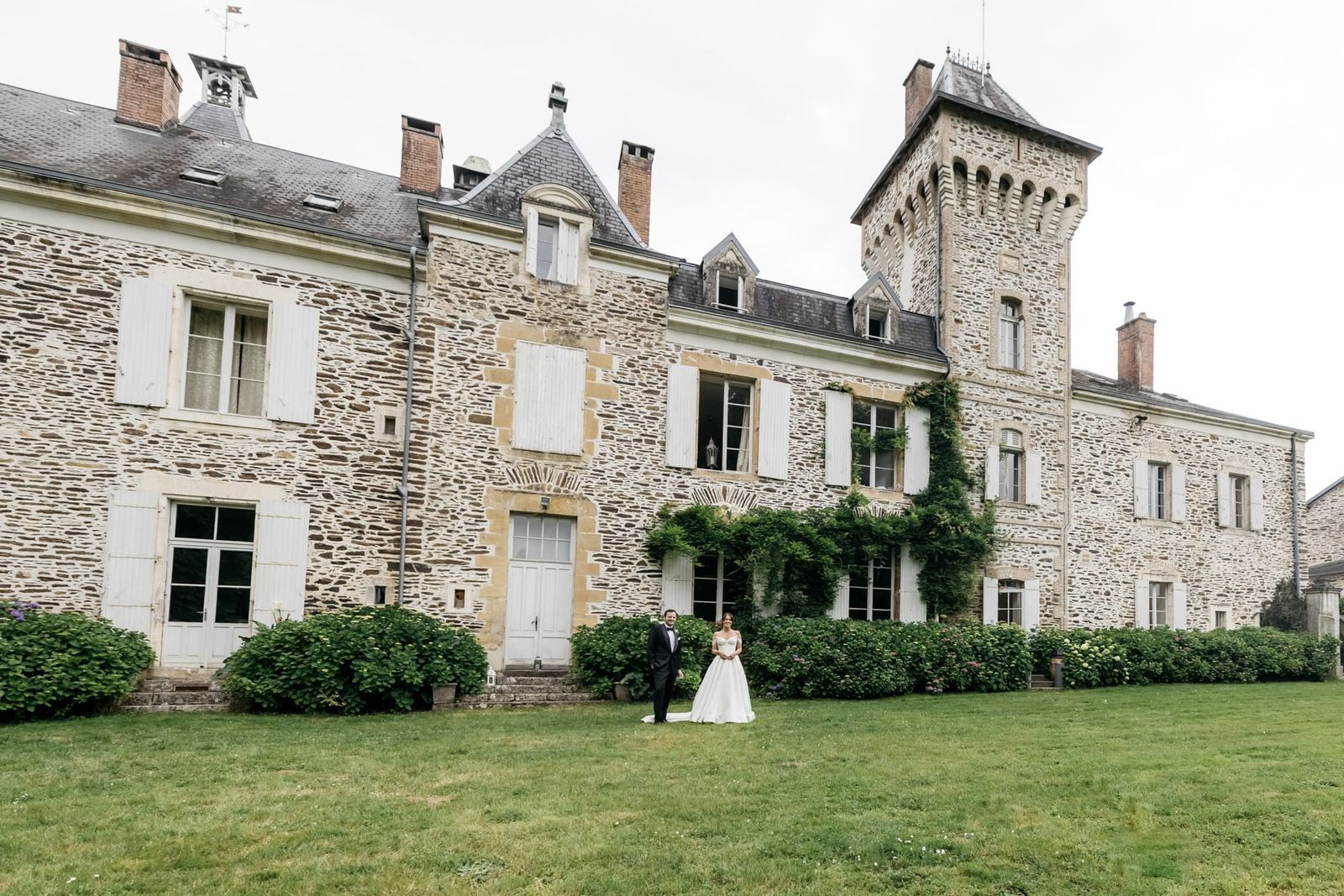
Some Dordogne châteaux also host weddings, like Château d'Oche, where Hannah and Guy had dinner outside in the courtyard. Read more in my guide to wedding venues in the Dordogne.
Dordogne food
The Dordogne valley has some of the best food in France, from market stalls to restaurants. Rocamadour cheese is sold at every local market, and its AOC label (Appellation d'Origine Contrôlée) guarantees it was made in the region. Quercy lamb grazes freely on the limestone plateaux, on thyme and other herbs, which gives the meat its fragrant taste.
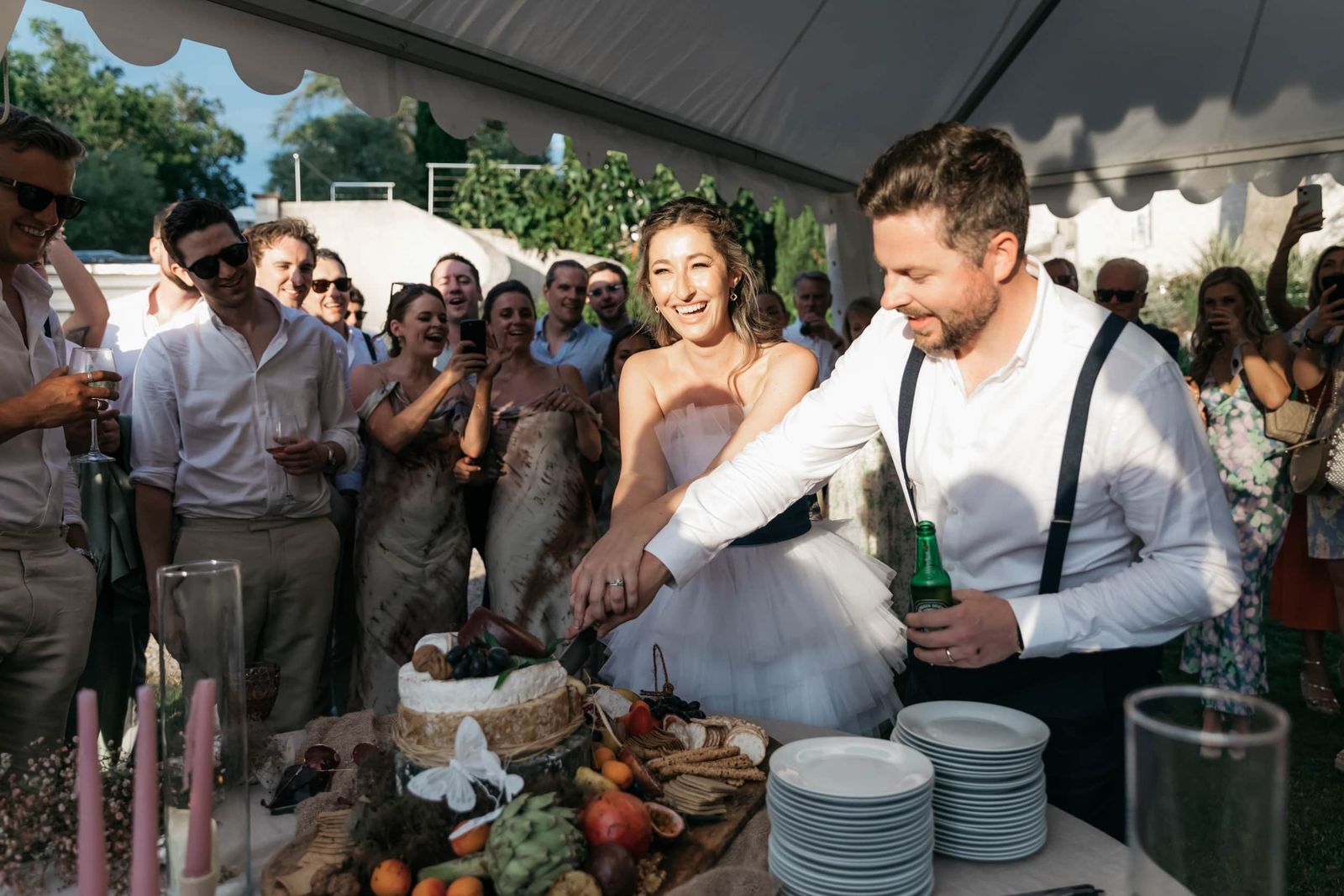
Local cheese often turns up at weddings too: at Lacanaud, Fran and Guy cut a cheese tower late in the evening. What to try:
- Chaumes cheese
- Black Périgord truffle
- Sobronade
- Rocamadour cheese
- Agneau du Périgord (Périgord lamb)
- And the local wine
Read also
My journal
I’m excited to go wherever your love story is taking me and looking forward to hearing from you!