 Bordeaux, France


Dordogne vineyards: a complete wine guide
The Dordogne vineyards make this one of the best parts of France for a wine tasting holiday.
It is easy to reach, with flights from London and Paris. From Bergerac Airport you can rent a car, or take a bus or train, to the vineyards around the area.
With its mix of soils and climates, the region grows many grape varieties, so there is a wine for every taste. Here is my guide.
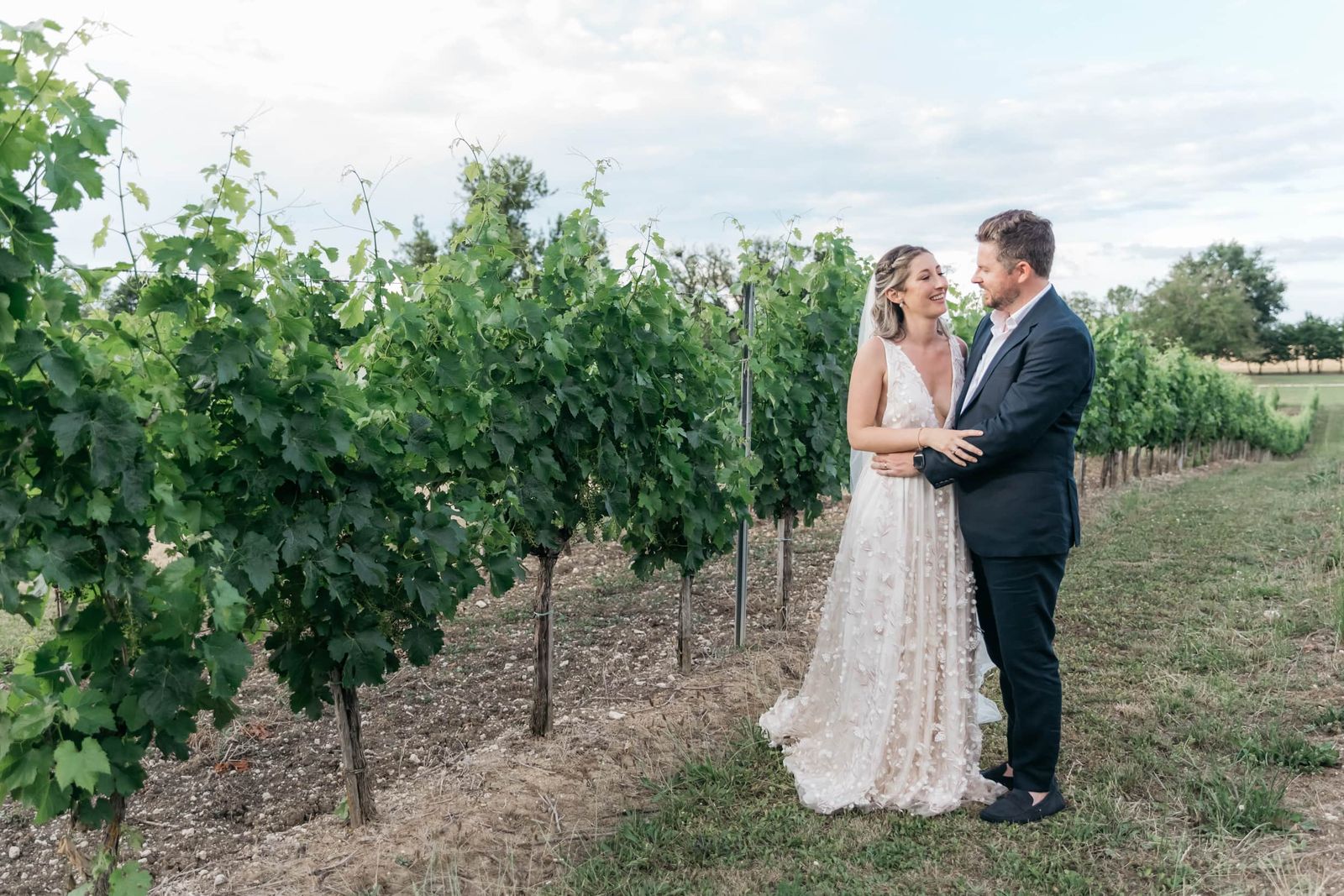
Dordogne wine types
Most vineyards are in the Périgord, on the right bank of the river Dordogne, and around Bergerac, a small subregion that makes red wines from Merlot, Cabernet Sauvignon and Cabernet Franc.
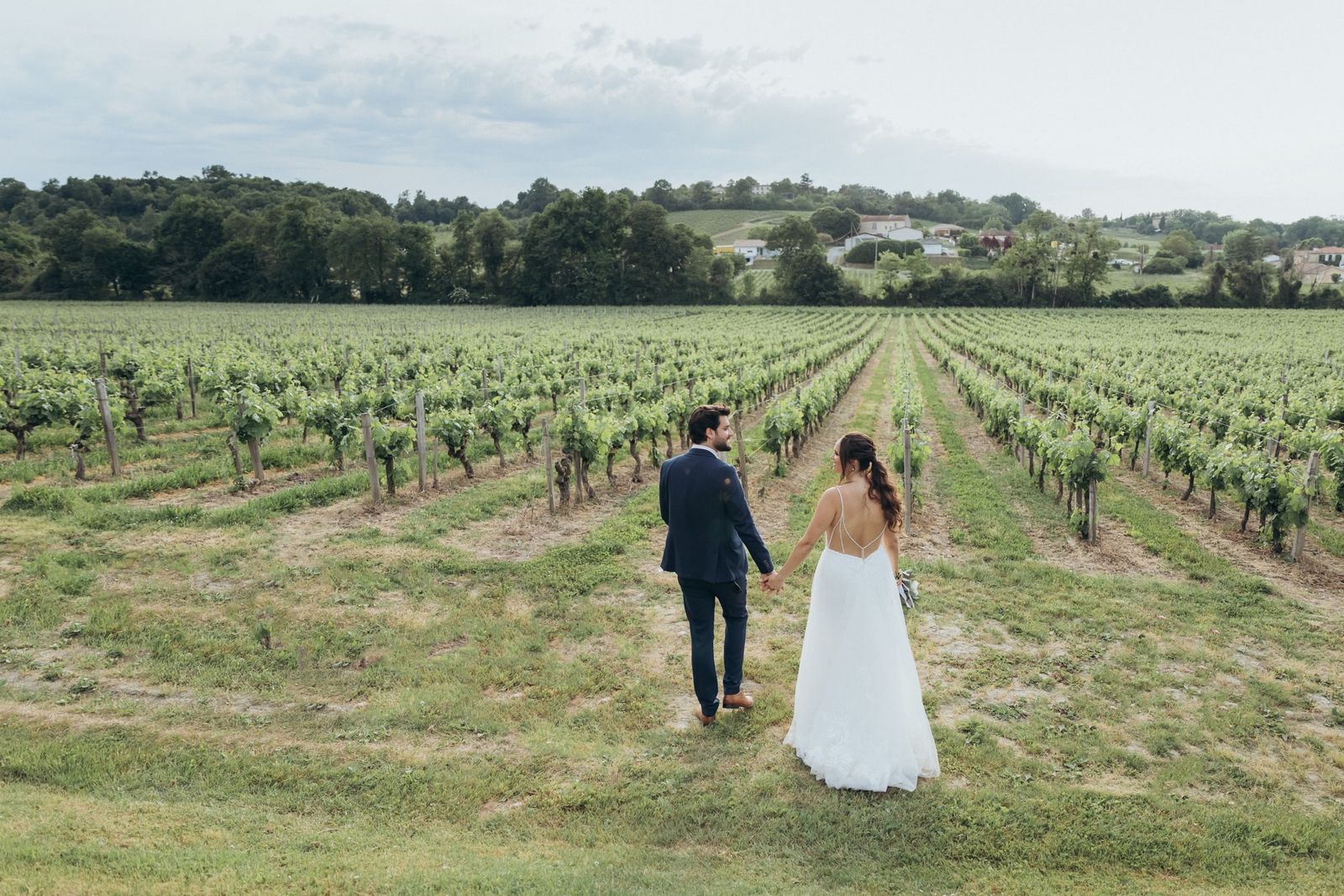
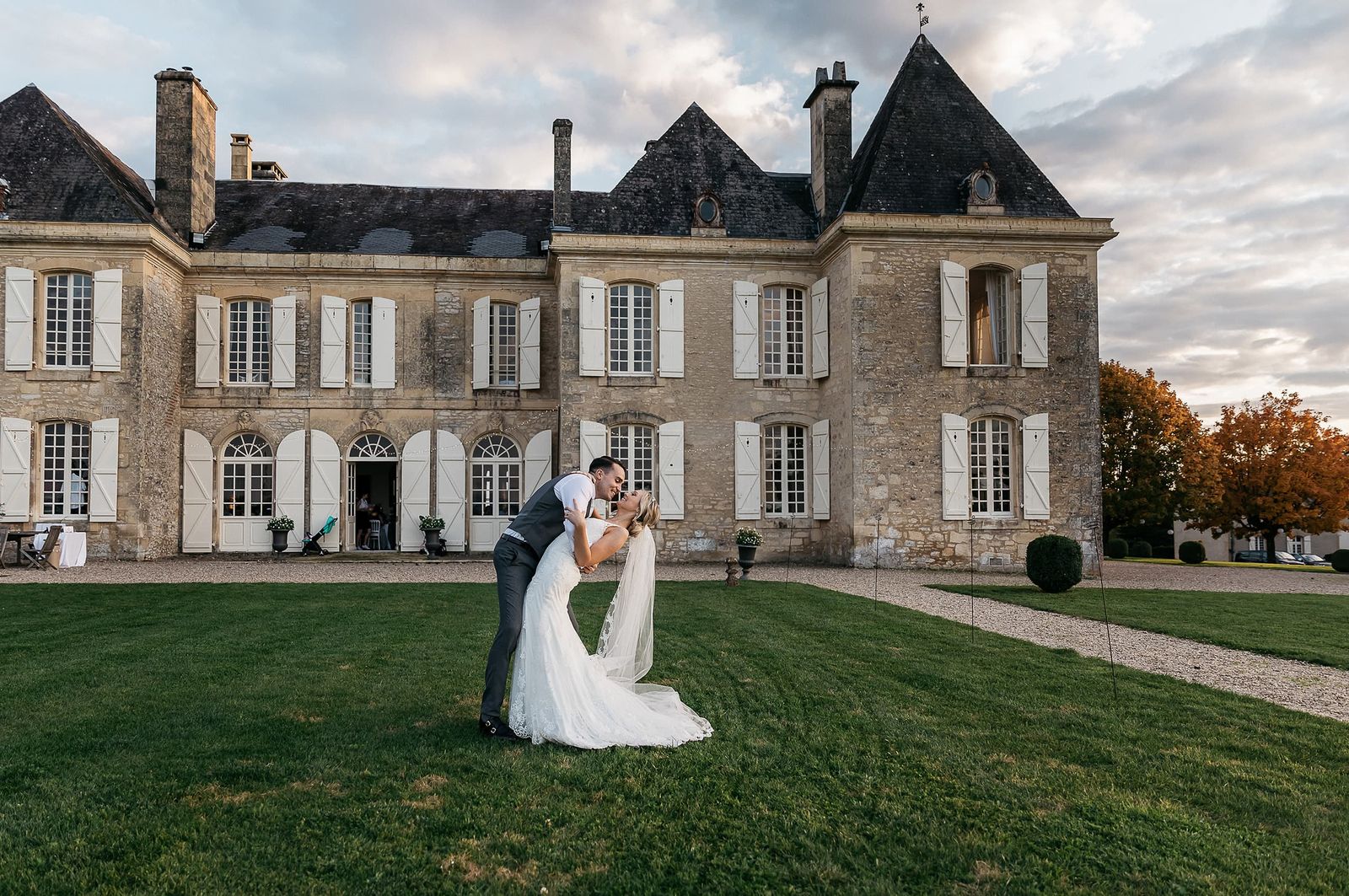
Some wedding venues stand right in the vines. At Château de Garde, near Libourne, Lexi and Jeremy married under a pergola looking out over the vineyards.
Périgord wine
Wine has been made here for centuries, even if Bordeaux has always overshadowed it. Most Dordogne vineyards are around Bergerac and Domme, both on the river.
Westerly winds are common here, and many vineyards sit on exposed hillsides where the wind dries and cools the grapes.
Bergerac wine
Bergerac is a wine appellation in south-west France, along the Dordogne river. The wines are close to those of Bordeaux and are mostly made from Cabernet Sauvignon, Merlot and Sauvignon. Bordeaux is better known and makes more powerful wines for ageing; many Bergerac wines are lighter and easy to drink.
The vineyards lie on both sides of the river valley in the southern half of the Dordogne department, most of them around the small town of Bergerac, and there are several AOC appellations.
Monbazillac, a sweet white wine, is the most famous. Côtes de Bergerac and Pécharmant are the other names to look for.
My list of Dordogne vineyards
A visit to a winery is part of any trip to the Dordogne. Here are the estates on my list for a tasting.
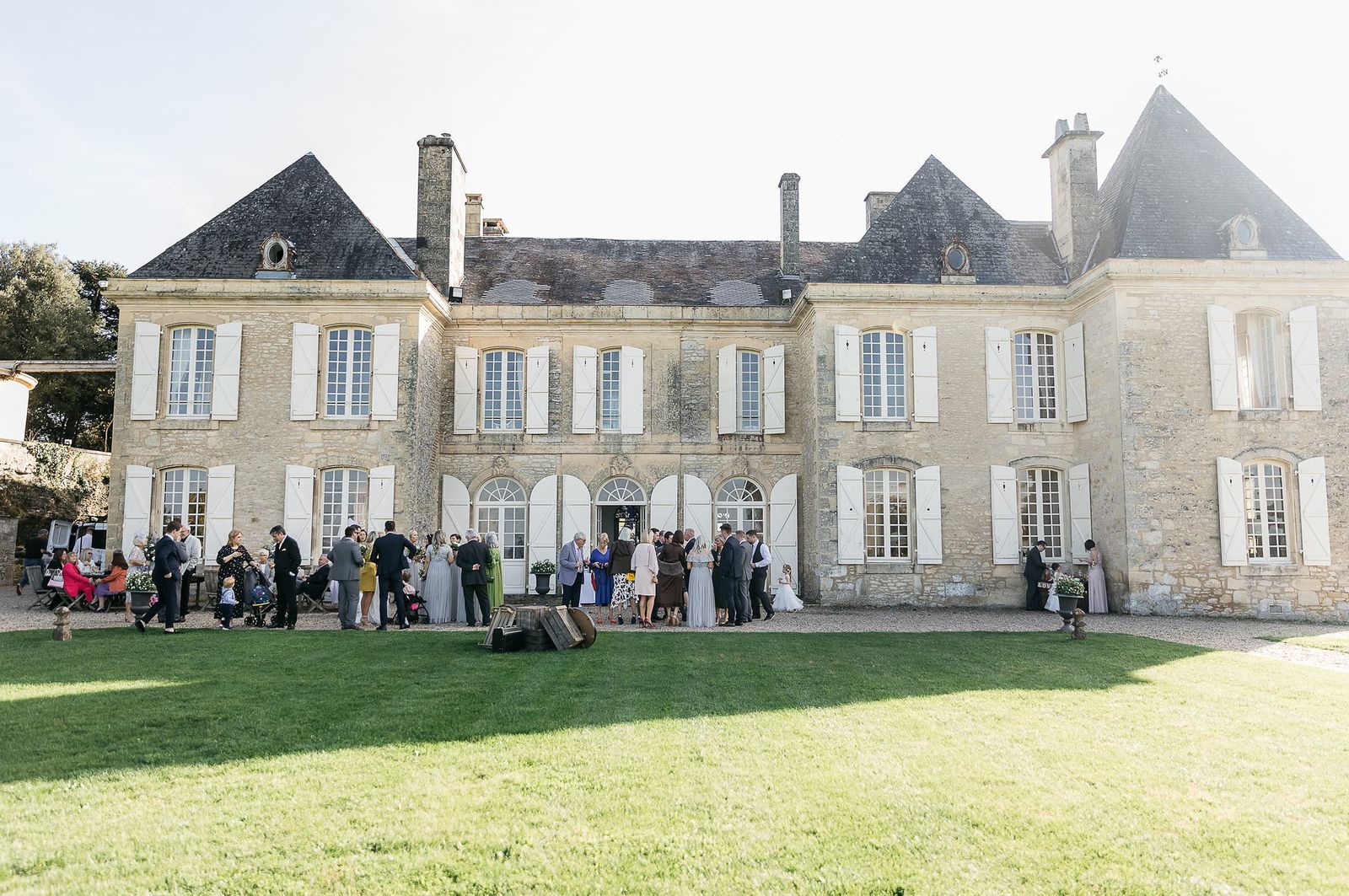
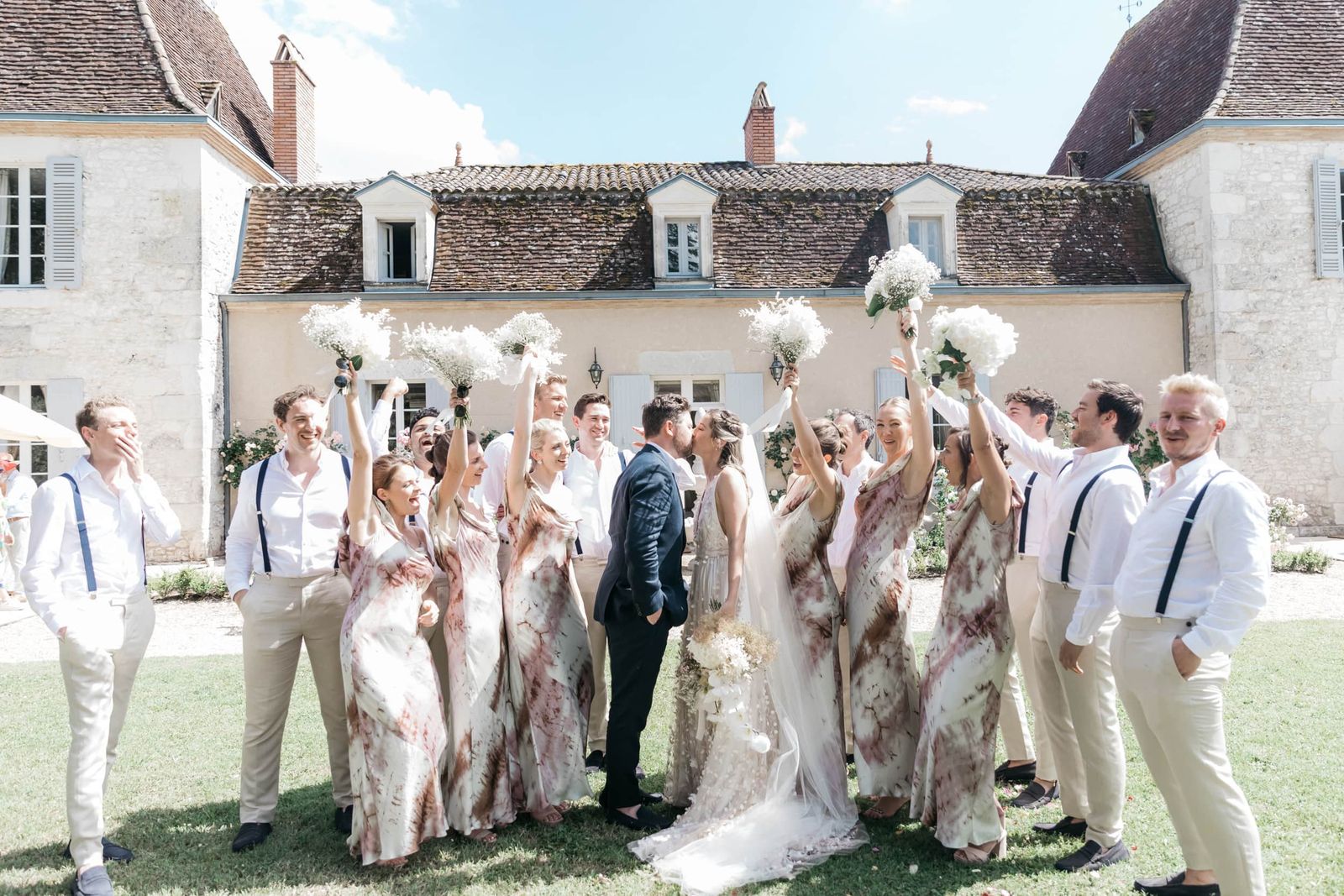
If you love wine and are planning a wedding at a Dordogne château, the local wines are an easy choice for the tables. Katie and Joe's guests had drinks on this lawn at Château de Lacoste, near Sarlat.
1. Château Lestevenie
An estate that has made award-winning wines for over a decade. The owner, Humphrey Temperley, follows biodynamic practices to keep the character of the wines intact, and the vines are farmed with minimal intervention so that wildlife can thrive.
The grapes are grown organically: Cabernet Sauvignon and Cabernet Franc, Sauvignon Blanc and Muscadelle.
2. Château du Cros
The Boyer family has run this estate for four generations. It has an 18th-century chartreuse on a limestone peak and vineyards on the limestone plateau, the highest viewpoint over the river. Château du Cros is 40 km south of Bordeaux, so strictly in the Bordeaux region, and makes Loupiac and Bordeaux red and white wines.
3. Château de Monbazillac, my favourite
Monbazillac mixes a medieval fortress with Renaissance elegance. It is set up for wine visitors, with tours and tastings, from a modern pavilion among the vines to the vaulted cellars: a good place for a cold glass of Monbazillac.
The French keep most Monbazillac for themselves: only about 20% is exported, mostly to Belgium and the Netherlands, which take more than half of that, and less than 5% is sold in America. Monbazillac is the largest late-harvest wine area in France, by number of vineyards and by volume.
Château de Monbazillac is probably the most famous château in the Dordogne.
4. Château du Haut-Pezaud
A small estate that makes Monbazillac as well as red and rosé wines. The owners love meeting people and sharing what they know, and they hold events all year round.
5. Château de Fayolle
Château de Fayolle has 36 acres of red and white grapes and makes quality wine with a modern twist. Bergerac, Saussignac and Périgord wines have been served across Europe for centuries, and the owners, Frank and Riki Campbell, want to make wines that promote the region.
6. Château Pécharmant Corbiac
Wine has been made here for a long time. Adrien Durand de Corbiac is said to have been among the first in Pécharmant to replant the vineyard with American vines after it was devastated.
7. Château Montdoyen
Jean-Paul and Brigitte came from Normandy, in northern France, and found this vineyard. Their mix of soils and grape varieties lets them make wine in six appellations, including Bergerac white, sweet Bergerac and Monbazillac.
8. Domaine de Perreau
Domaine de Perreau is on the clay and limestone plateaus of Montravel, west of Bergerac. The Bergerac appellation has 900 winegrowers and is one of 10 appellations in the area, with wines from light whites to deep reds.
Their wine La Pierre et l'Eau is a tribute to the Montravel terroir: minerality from the rocks and freshness from the water, balanced between richness and freshness.
9. Château Bélingard
The name is said to come from the Celtic 'belen garten', the garden of Belen, god of the sun and war. A path through the estate leads to an old rock carved in the shape of a druid.
Bélingard makes red and white wines in the Bergerac and Monbazillac AOCs, sold in three collections: the Definitive Collection, the Vintners Collection and the Essential Collection.
10. Vignobles Dubard
The Dubard family founded their first wine estate in Montravel in 1970, and have since restored two more estates on the right bank of the Dordogne.
Read also
My journal
I’m excited to go wherever your love story is taking me and looking forward to hearing from you!