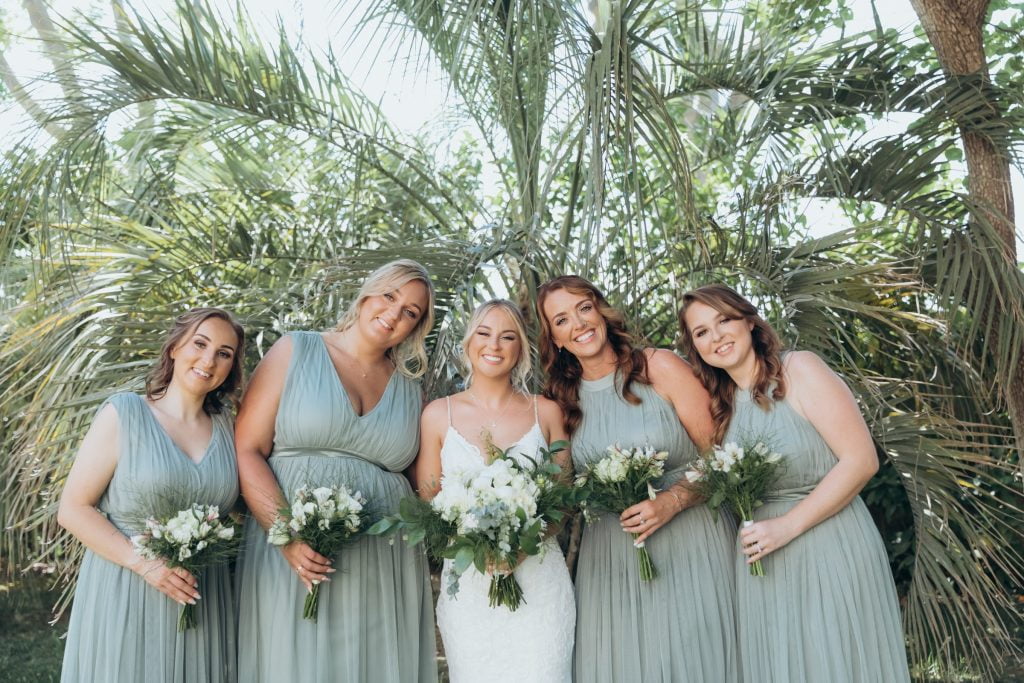
Wedding without flowers
As a wedding photographer in France, I often see couples moving away from traditional floral design and choosing something more personal. While flowers remain a beautiful part of many celebrations, they are no longer the only way to create atmosphere.
Some of the most memorable weddings I have photographed used texture, light, architecture, and carefully chosen details to shape the entire experience.
Without flowers, every design decision becomes more intentional.
The result often feels timeless, distinctive, and deeply connected to the couple themselves.
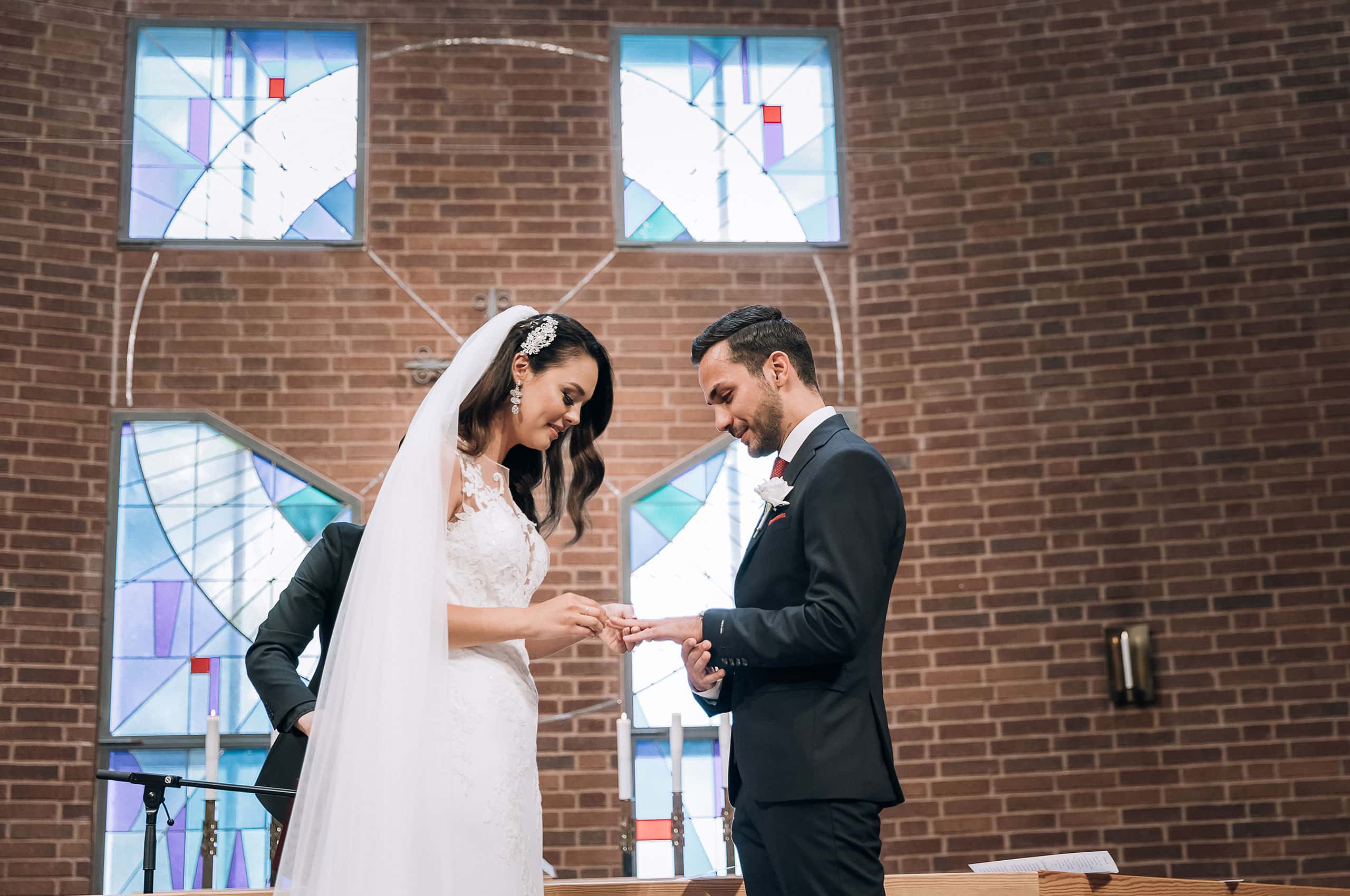
Let the venue become part of the design
One of the advantages of decorating without flowers is the opportunity to highlight the character of the venue itself.
French châteaux, historic villas, and countryside estates already possess remarkable beauty through their architecture.
Stone facades, grand staircases, antique interiors, and formal gardens rarely need heavy decoration. Instead of covering these features, thoughtful styling can draw attention to them.
Some venues are built for this. At Château Allure du Lac, the clean lines and neutral materials let the frame settle on form and movement instead of decorative excess, which is exactly what a flowerless design needs.
When the surroundings are allowed to breathe, the celebration feels more refined and effortless.
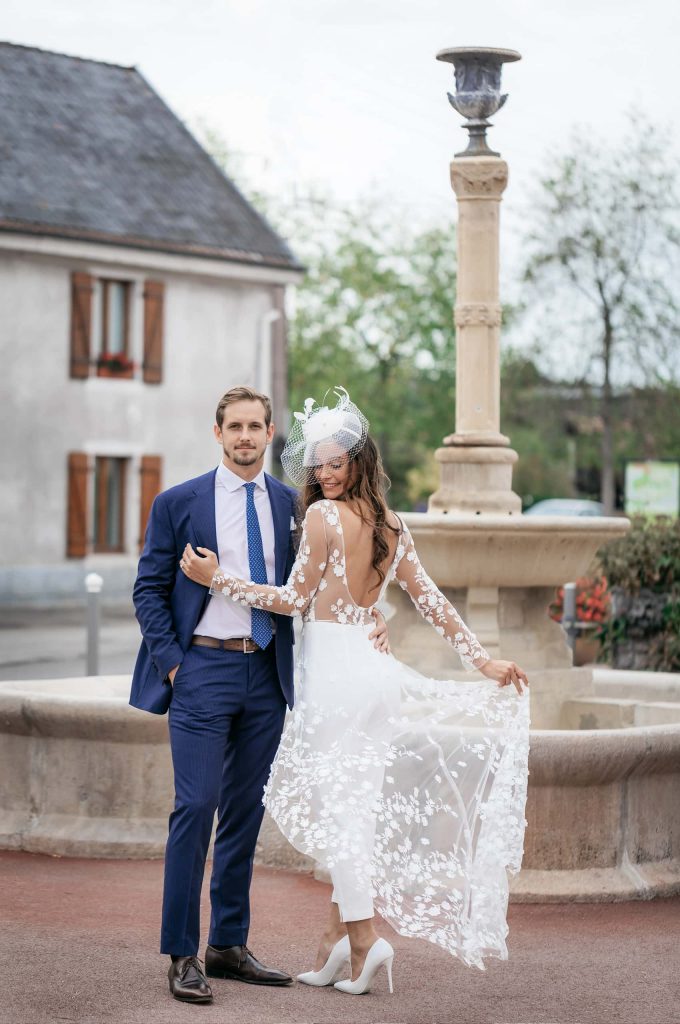
Create atmosphere through fabric
Fabric has an extraordinary ability to transform a space.
Soft draping can add movement to a courtyard ceremony, while flowing textiles suspended above a reception table create intimacy even in large venues.
Silk, linen, velvet, and chiffon each bring their own character and interact beautifully with natural light.
From a photographic perspective, fabric introduces softness and depth. It catches the breeze, diffuses sunlight, and adds a sense of motion that translates beautifully into images.
Use light as your primary decoration
Few elements influence the mood of a wedding more than light.
During the day, sunlight filtering through windows or across a garden creates natural elegance. As evening approaches, candles, lanterns, and carefully placed lighting completely transform the atmosphere.
The estate matters here too. At Château Naudou, light stays consistent across the lawns well into late afternoon, which buys you a long, unhurried window before the candles need to do anything at all.
One of my favorite moments to photograph is the transition between day and night. As candlelight begins to glow and conversations grow quieter, the entire celebration takes on a cinematic quality that flowers alone could never create.
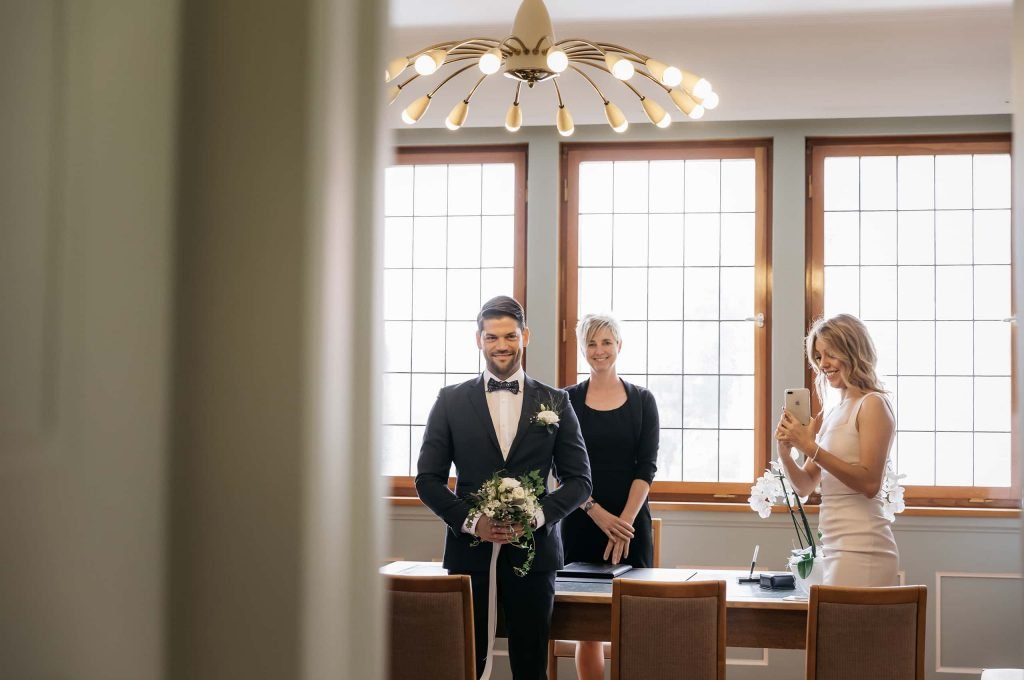
Focus on texture instead of volume
When floral arrangements are removed from the design, texture becomes much more important.
Layered linens, handcrafted details, woven materials, and subtle fabric finishes create visual richness without overwhelming the space. These elements encourage guests to notice the details up close rather than being immediately drawn to large centerpieces.
The building itself can carry a lot of this. Château d’Oche is regional stone with restrained detailing, and those textured surfaces and neutral tones photograph cleanly in both direct and diffused light.
The result often feels more intimate and sophisticated.
Introduce reflective details
Metallic accents can bring elegance without dominating the design.
Gold, silver, brass, or aged bronze catch changing light throughout the day and add dimension to both interiors and outdoor settings.
Small reflective details on table settings, candle holders, or decorative installations help create visual interest while maintaining a clean aesthetic.
In photographs, these surfaces interact beautifully with both sunlight and candlelight, adding depth to every frame.
Embrace timeless decorative elements
Some materials never feel tied to a specific trend.
Pearls, fine ribbons, delicate glassware, and classic textiles have an enduring elegance that works beautifully within destination weddings. They create a sense of refinement while remaining understated.
These details often become the elements guests remember long after the celebration ends because they contribute quietly to the overall atmosphere rather than demanding attention.
Make decorative details meaningful
The most memorable wedding designs are often the most personal.
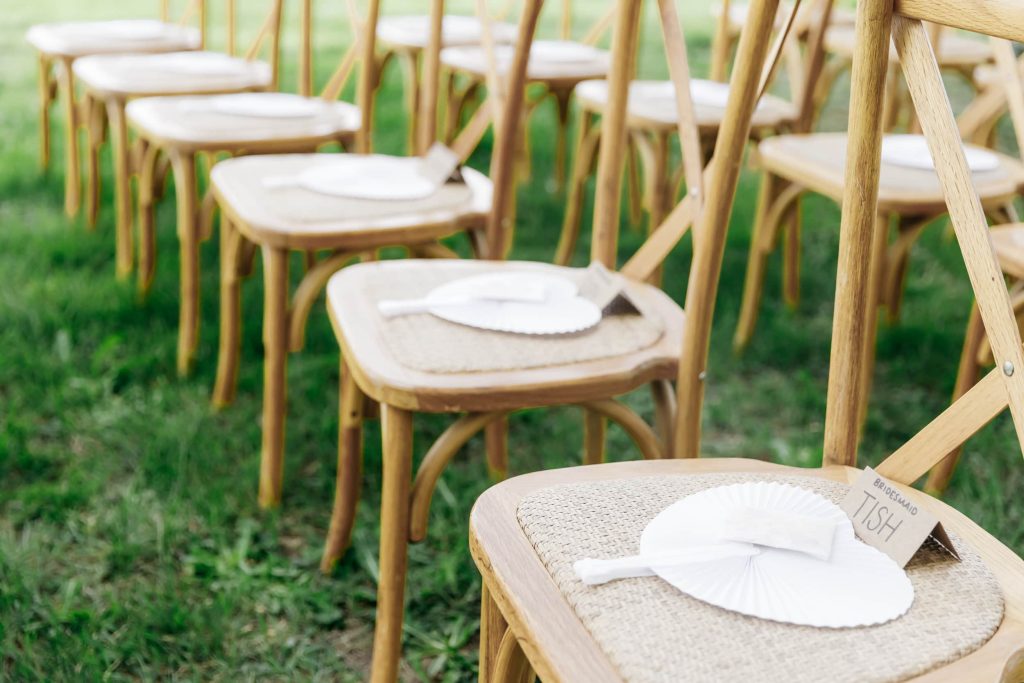
Paper installations inspired by travel, handwritten notes, family heirlooms, vintage books, or objects connected to a couple’s story create emotional value that flowers cannot always provide. These details invite guests into the narrative of the day.
As a photographer, these personal touches often become some of my favorite images because they reveal something unique about the people being celebrated.
Design for all the senses
Beautiful wedding decor is not only visual.
Fresh herbs, seasonal fruit, artisanal pastries, and carefully curated dining presentations bring fragrance, texture, and flavor into the experience. They encourage guests to engage with the environment rather than simply observe it.
The most successful celebrations feel immersive because every element contributes to the atmosphere.
Rethink traditional wedding details
Even elements that are usually associated with flowers can be approached differently.
Wedding cakes can become sculptural works of art through texture, craftsmanship, and elegant finishes. Bouquets can be replaced with foliage, silk details, meaningful keepsakes, or carefully selected materials that reflect the couple’s style.
These alternatives often feel more distinctive and create photographs that stand apart from familiar wedding imagery.
A celebration shaped by intention
Decorating a wedding without flowers is not about removing beauty. It is about finding it in different places.
Light, architecture, texture, craftsmanship, and meaningful details can create an atmosphere that feels every bit as romantic as a floral-filled celebration.
In many cases, the result feels even more personal.
The weddings that stay with me most are rarely defined by how many flowers were present. They are remembered for how they felt.
The atmosphere, the experience, and the quiet details are what guests carry home long after the celebration has ended. If you are designing yours this way, tell me what you are working with.
Read also
- Black and white wedding photography – the same instinct applied to colour, taking something away to strengthen the rest
- Marseille, a starting point to the Provence – markets, herbs and produce, if you are building the day around the senses
- 15 South of France wedding venues – places that need very little added to them

Let’s chat more about your wedding or pre-wedding photosession.